
Prevention Hub


Understanding HIV Prevention Methods
01 - CONDOMS


-
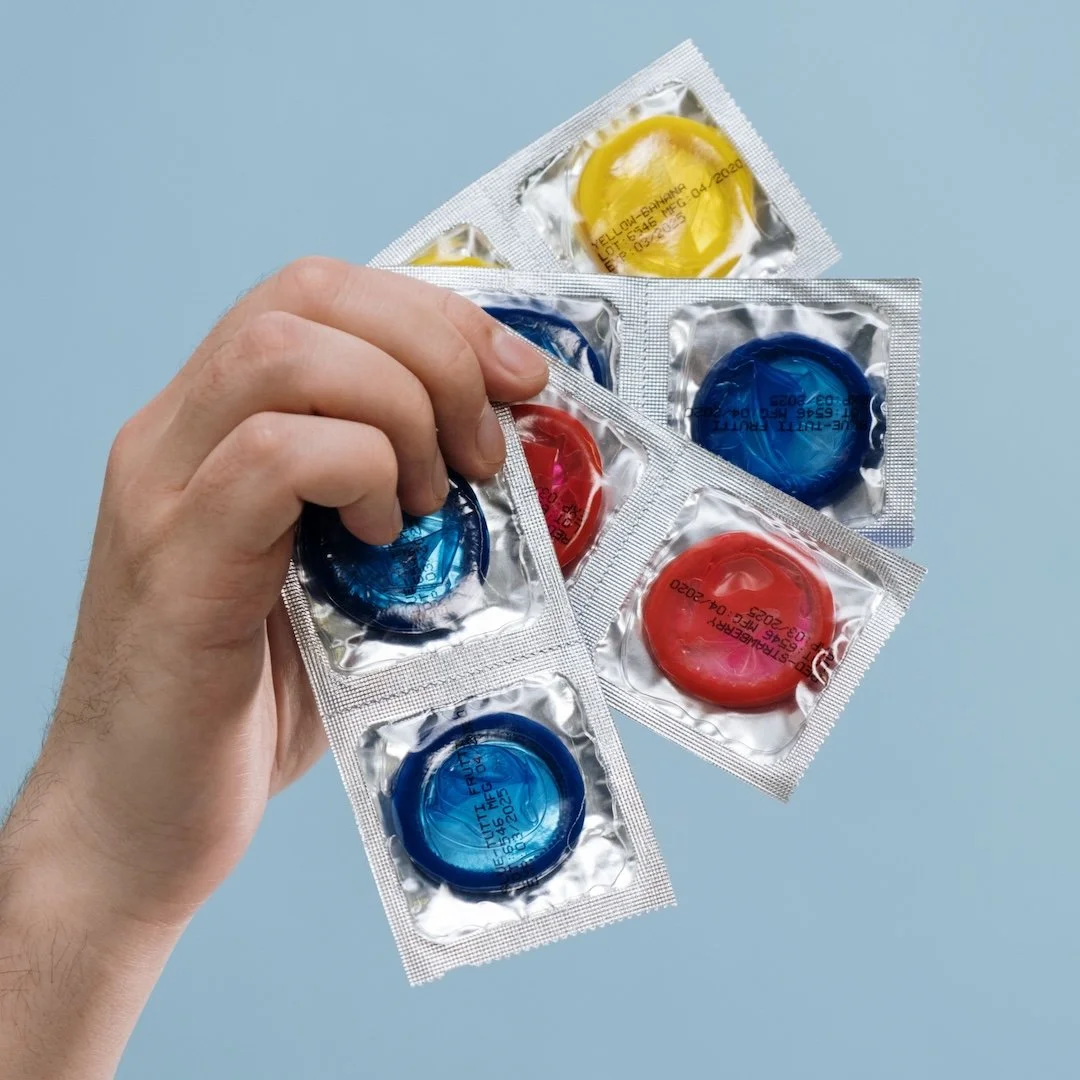
Condoms are a barrier method used during sex to help prevent HIV, sexually transmitted infections (STIs), and unplanned pregnancy.
-
Condoms create a barrier that helps prevent the exchange of body fluids during sex. When used correctly and consistently, they are an effective way to reduce the risk of HIV, pregnancy and other STIs.
-
Most people do not experience side effects.
Some people may:
Have an allergy to latex condoms
Experience irritation or discomfort
If this happens, speak to a healthcare provider about alternative condom options.
-
You can get free condoms from:
Public clinics
Hospitals
Universities and colleges
Community organisations
Condoms are also available for purchase at pharmacies, supermarkets, and convenience stores.
02 - PrEP
(Pre-Exposure Prophylaxis)
2.1 - Injectable PrEPs
Injection taken every 2 months.
2.1.1 Cabotegravir
-
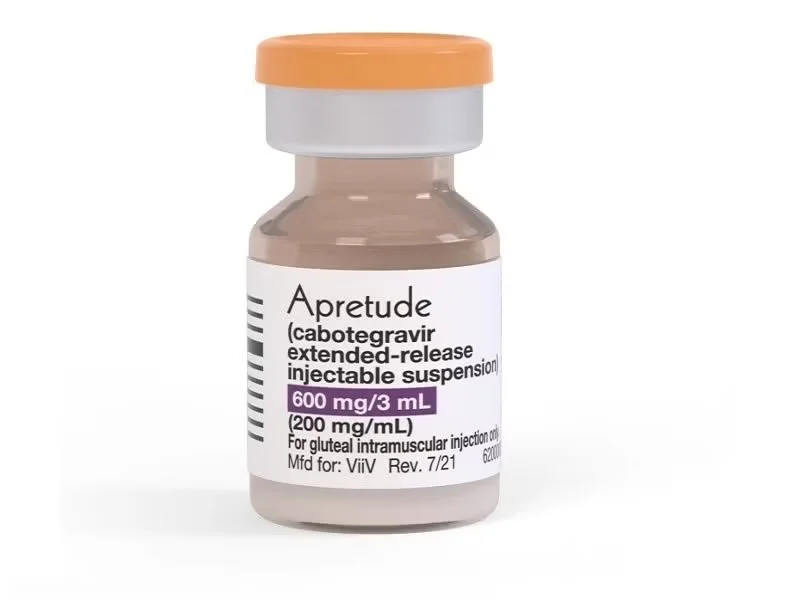
Cabotegravir (CAB-LA) is a long-acting HIV prevention injection (PrEP) for people who are HIV negative. Instead of taking a pill every day, CAB-LA is given as an injection every 2 months to help prevent HIV.
-
CAB-LA contains an antiretroviral medicine that is injected into the muscle. After the injection, the medicine slowly releases into your body over time, helping to protect you from HIV. To stay protected, you need to receive an injection every 2 months.
-
Most side effects are mild and may include:
Pain or swelling where the injection was given
Headache
Fever
Tiredness
Muscle aches
Not everyone experiences side effects.
-
Although Cabotegravir is approved by SAHPRA, it’s not available in the country. Not in public clinics and not in private clinics .
It was previously available through study trials in reasearch sites but the NDOH had now moved to rolling out lenacapavir.
Injection taken every 6 months.
2.1.2 Lenacapavir
-
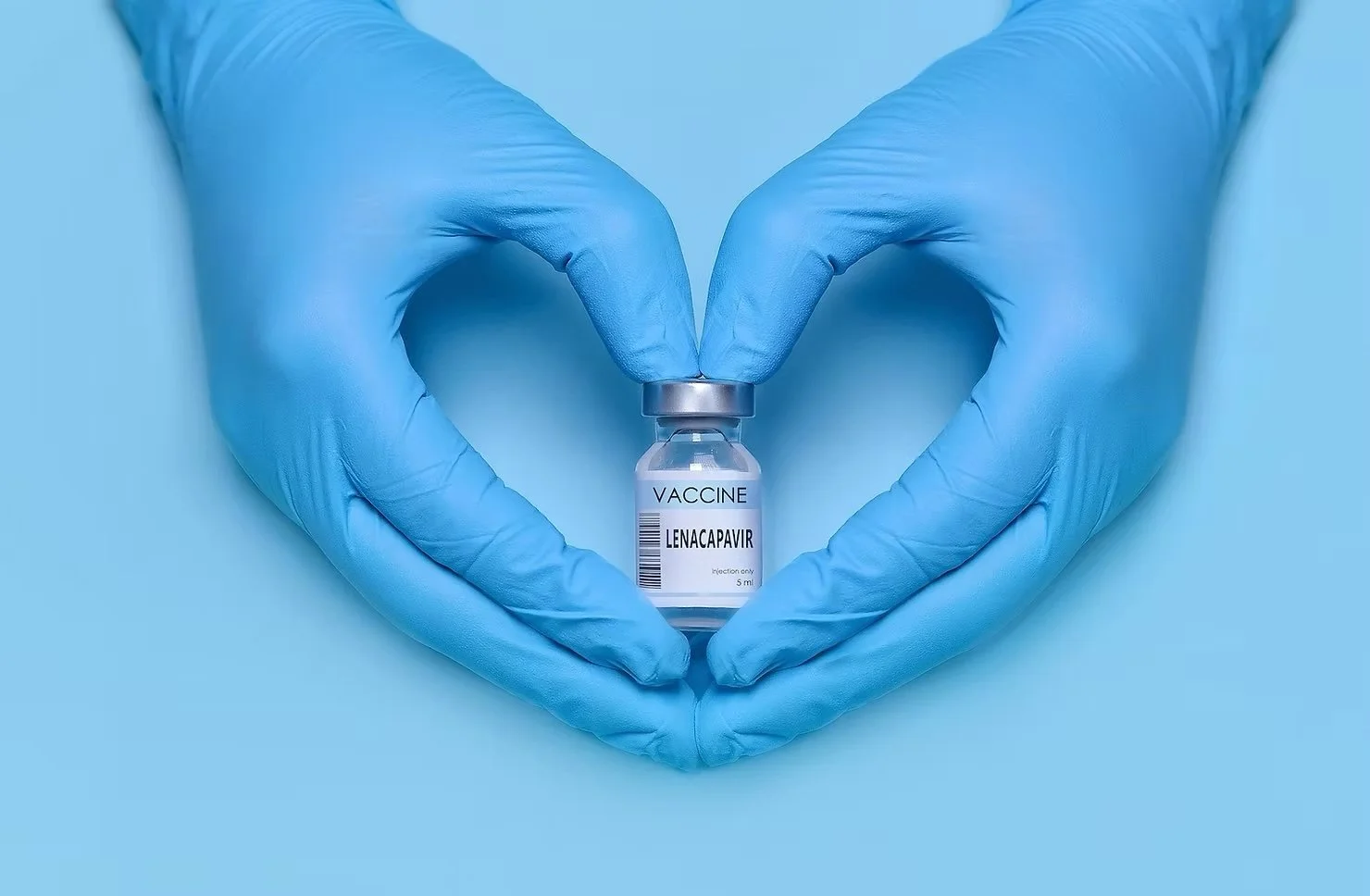
Lenacapavir (LEN) is a long-acting HIV prevention injection (PrEP) for people who are HIV negative. Instead of taking a pill every day, LEN is given as an injection only twice a year.
-
LEN contains an antiretroviral medicine that is injected under the skin to help protect you from HIV. After the injection, the medicine slowly releases into your body over 6 months, protecting you from getting HIV during that time. Because the protection lasts long, you only need 2 injections a year.
-
Most side effects are mild and may include:
Pain or swelling where the injection was given
Headache
Nausea
Tiredness
Not everyone experiences side effects.
-
You can visit:
Navigate to “service finder” to locate clinics near you that offer HIV prevention services and information on LEN in South Africa
Sites where you can receive the Lenacapavir injection in South Africa
2.2 - Oral PrEP
Oral PrEP
-
Oral PrEP is a daily pill that HIV-negative people can take to help prevent HIV before they are exposed to it.
If taken correctly, it is highly effective at preventing HIV.
-
The pill builds protection in your body so that if HIV enters your body, it becomes much harder for the virus to infect you.
You need to take it consistently for it to work best.
-
Most reported mild side effects and these usually go away after a few days. Some people may experience: nausea, headaches, tiredness, dizziness and stomach cramps. These usually improve as the body adjusts
-
You can get Oral PrEP for free at many public clinics, youth-friendly clinics, and some pharmacies offer Oral PrEP at a cost.
03 ORAL PEP
(Post-Exposure Prophylaxis)
-
Oral PEP is a course of HIV prevention medicine taken after a possible exposure to HIV. It is for emergencies and must be started within 72 hours (3 days) of possible exposure.
-
PEP works by helping stop HIV from establishing itself in the body after a possible exposure. The medicine is taken every day for 28 days. The sooner you start PEP, the better it works.
-
Most side effects are mild and may include:
Nausea
Headache
Tiredness
Dizziness
Stomach cramps
-
You can get PEP from:
Public clinics
Hospitals
Emergency departments
Some private doctors and pharmacies
Remember: PEP must be started within 72 hours of possible exposure to HIV.